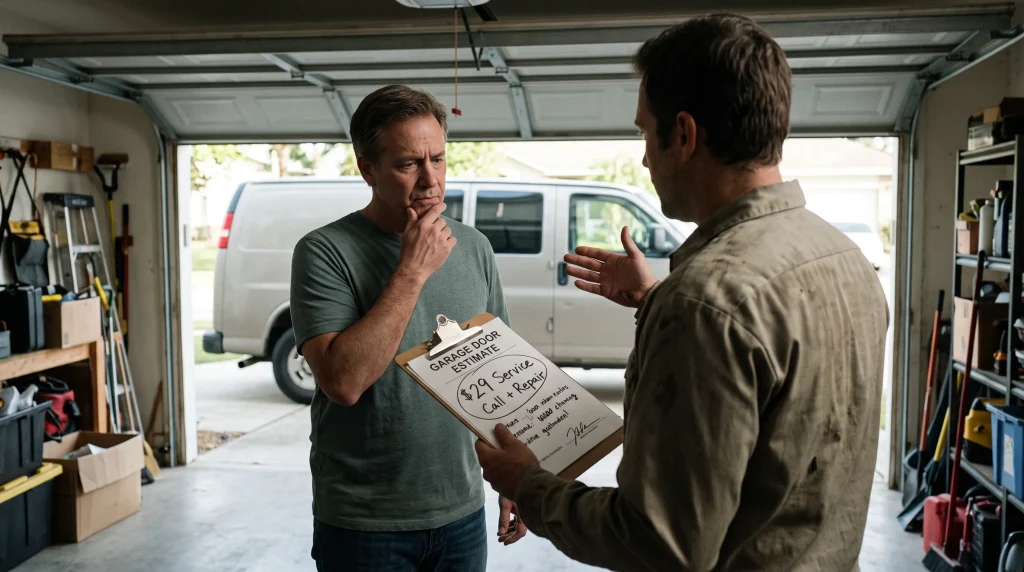
Yes, if a garage door repair quote sounds too good to be true, it usually is. The most common bait-and-switch tricks are an unrealistically low advertised price, a sudden “we found more damage” upsell once the door is open, a vague verbal quote with nothing written down, a “today only” pressure discount, and hidden fees at the very end. None of these tricks work if you insist on a written, itemized estimate before anyone touches your door, and get a second opinion the moment something feels off.
Key Takeaways
- A rock-bottom advertised price is often a loss-leader to get a technician in your garage, not a real final number.
- “We found more damage” after the door is open is the most common upsell trick in the industry.
- A verbal-only quote with no itemized breakdown gives you nothing to hold the company to.
- “Today only” discounts are a pressure tactic borrowed from sales scripts, not a real limited-time offer.
- Fees added at the end, trip charges, disposal fees, surcharges, should be disclosed in writing upfront, not sprung on you at payment.
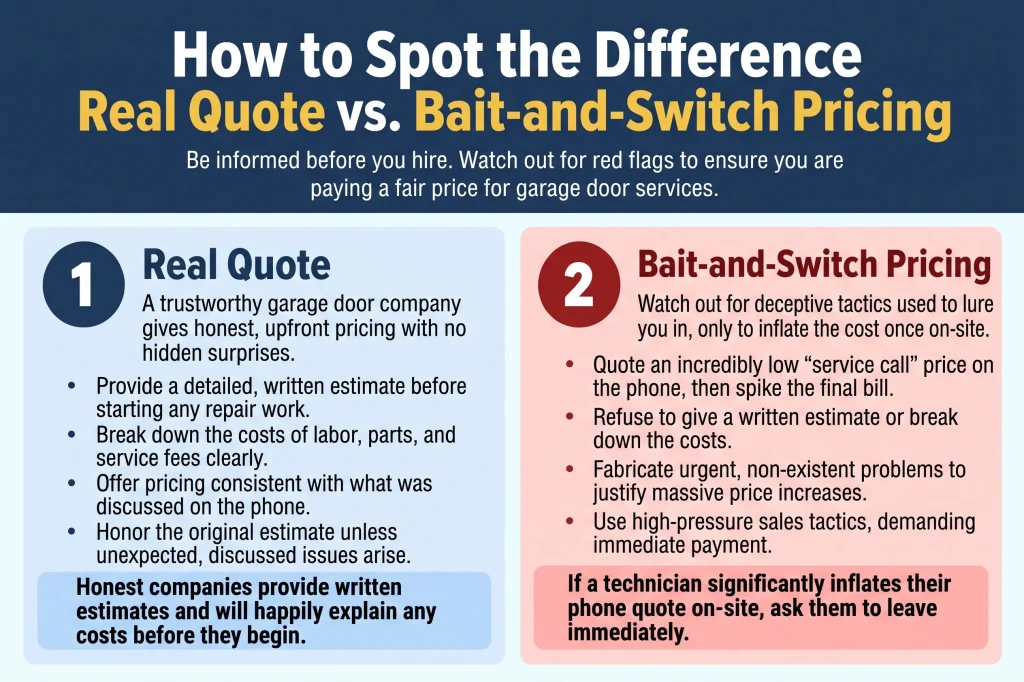
Real Quote vs. Bait-and-Switch Pricing
Situation | Real Quote | Bait-and-Switch Trick |
Advertised price | Matches what you’re actually charged, or the difference is explained and shown to you | Rock-bottom number used purely to get a technician in the door |
Mid-job changes | Rare, and always shown to you physically before charging anything new | “We found more damage” appears the moment the door is already apart |
How it’s quoted | Written, itemized by part and labor, given before any work starts | Verbal only, vague, “somewhere around” with nothing on paper |
Discounts | Genuine, time-appropriate, and doesn’t require an on-the-spot signature | “Today only” pressure engineered to rush your decision |
Fees | Disclosed clearly before the visit, in writing | Trip fee, disposal fee, or surcharge that first appears at checkout |
Follow-up | You receive a copy of the final invoice for your records | No paperwork left behind once the technician leaves |
1. The Rock-Bottom Advertised Price That’s Never the Real Price
A “$49 spring repair” or “free service call” advertisement is often what’s known in sales as a loss-leader: a number low enough to get a technician physically inside your garage, where the real pricing conversation starts. Once someone is standing next to your broken door with tools in hand, most homeowners feel committed to finishing the job that day, exactly the position the advertised price was designed to create. If the phone quote seems dramatically lower than two or three other companies’ quotes for the same job, that gap is informative: the number was likely never meant to be the final bill, only meant to win the phone call.
How to Tell If an Advertised Price Is Real
- Ask specifically what the advertised price includes: parts, labor, the visit, or just one of those
- Compare it against at least one other company’s quote for the identical repair before committing
- Ask directly, in those words: “Is this the final price, or does it typically change once you’re here?”
- Note how the company answers that question. Evasive or vague answers are themselves a signal
If you want the full list of warning signs beyond pricing, including how to check licensing and insurance and what storm-chaser crews look like, read How Do You Know If a Garage Door Repair Company Is Scamming You? 7 Warning Signs to Watch For.
And since companies that play games with pricing are often unlicensed too, read How Can You Tell If a Garage Door Technician Is Actually Licensed and Insured? 6 Questions to Ask to check both at once.
2. The “We Found More Damage” Upsell
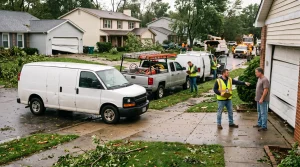
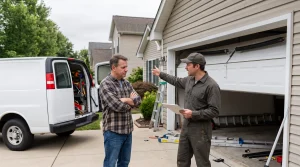
This is the classic bait-and-switch moment, and it’s the one homeowners report most often. The technician opens the garage, and suddenly there’s “additional damage” that was never mentioned on the phone: a second spring “about to go,” a “worn” cable, or a track that “should really be replaced while we’re here.” Sometimes this is a real finding; cables and springs do wear together, and a technician may legitimately spot something invisible during a phone call. Often, though, it’s manufactured to justify a bill several times larger than the one you were quoted, relying on you not knowing enough about garage door mechanics to push back.
If the “additional damage” is severe enough to warrant full garage door installation rather than a repair, that recommendation should come with the same level of written detail as any smaller fix.
How to Respond If the Technician Says They Found More Damage
- Ask to see the specific part or damage they’re describing, in person, before agreeing to anything
- Ask directly how this new issue connects to the original problem you called about
- Get the new price in writing, itemized, before approving any additional work
- Decline the additional work and get a second opinion if they won’t show you anything concrete
3. A Verbal-Only Quote With Nothing Written Down
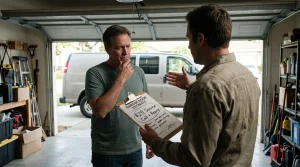
If a company only ever gives you a number over the phone or by text, with no itemized estimate on paper, you have nothing to hold them to once the technician is in your garage. A verbal “somewhere around $200” isn’t a quote; it’s a starting point that can drift upward with no accountability.
Pricing disputes almost always come down to what was promised versus what’s remembered, and a verbal exchange leaves you with no evidence either way. This is also why it helps to have a written history with a company you already trust for routine garage door maintenance, rather than negotiating pricing for the first time during an urgent repair.
What a Real Written Estimate Looks Like
- Lists the specific parts being repaired or replaced, and their individual cost
- Separates labor cost from parts cost so you can see where the money goes
- Is provided before any repair work begins, not after
- Comes on company letterhead, a formal invoice template, or at minimum a dated email, not just a text message
4. The “Today Only” Pressure Discount
“I can only hold this price if you sign right now” is a classic urgency tactic lifted from high-pressure sales, and it has nothing to do with how garage door parts are actually priced. Legitimate repair pricing doesn’t expire in the next ten minutes, because the cost of parts and labor doesn’t fluctuate that fast. If a company pushes you to decide immediately instead of letting you compare a quote or call another company, that pressure itself is the red flag, not the size of the discount. A technician confident in a fair price has no reason to rush you.
How to Push Back Against a “Today Only” Discount
- Ask what happens to the price if you call back tomorrow instead of deciding right now
- Tell them you need time to compare a second quote before approving anything
- Treat any refusal to let you think it over as a signal to decline the work
5. Hidden Fees Added at the End
Trip charges, disposal fees for an old part, “emergency” surcharges, and after-hours fees can all be legitimate, but only if they’re disclosed before the technician arrives. The scam pattern isn’t the fee’s existence; it’s the timing: charges show up for the first time on the final invoice, once the work is done and you feel obligated to pay whatever number is put in front of you. A company upfront about its fees has nothing to gain by hiding them.
How to Avoid Being Hit With Hidden Fees
- Ask upfront what fees might apply: trip charges, disposal, after-hours
- Get every fee listed in writing before the technician arrives
- Treat any fee that first appears on the final invoice as a red flag
Independent industry sources back up this same advice. The International Door Association’s LinkedIn post on garage door scam awareness urges homeowners not to be afraid to report a company that overcharged them to organizations like the BBB, and to seek out dealers who are transparent about pricing from the start. The International Door Association’s scam awareness resource goes further, documenting real cases of homeowners hit with inflated bills after an initial low quote, and outlining the exact steps to take if it happens to you.
6. Watch for These Tricks Stacking Together
Any one of these tricks might have an innocent explanation alone. In practice, scam pricing rarely relies on just one. A rock-bottom price, a sudden “more damage” discovery, and a “today only” push to approve it verbally is the full pattern working together. Two or more in the same visit is a stronger signal than any one alone, and reason enough to stop and call a different company.
What to Do If You Spot Two or More Tricks at Once
- Stop the visit before agreeing to any work or payment
- Write down which tricks you noticed while it’s fresh
- Call a different company for a comparison quote before proceeding
If unfamiliar trucks showed up at your door right after a storm and the pricing already feels off, read Why Do Garage Door “Storm Chasers” Show Up After Every Big Storm? 4 Red Flags to Check Before You Hire, since bait-and-switch pricing is one of the most common tactics that pattern uses.
Get Everything in Writing Before You Pay Anyone
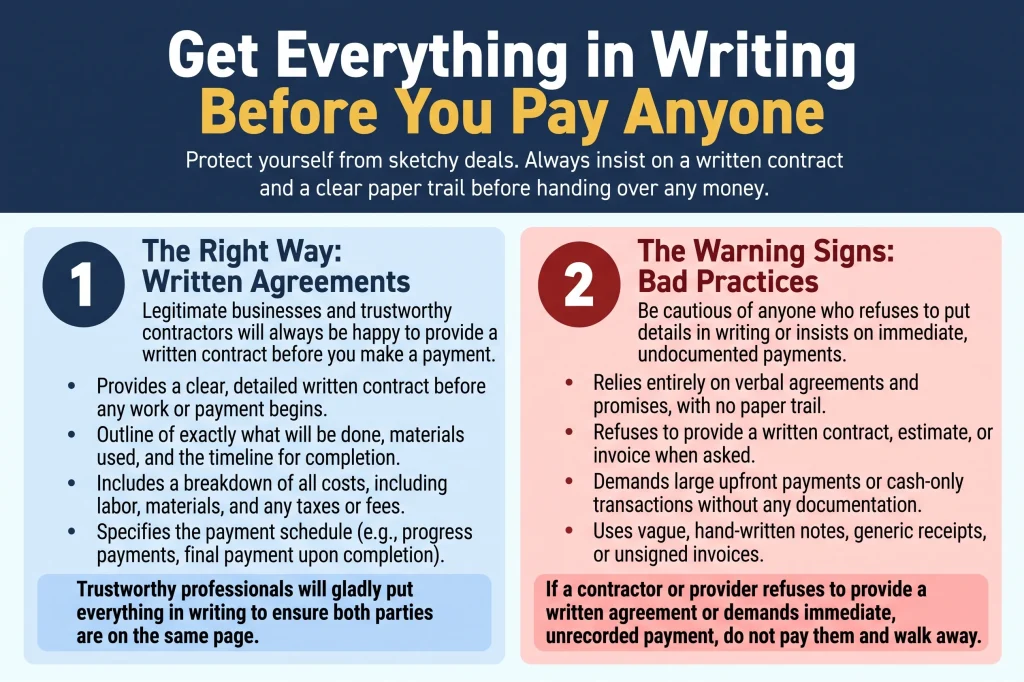
Every one of these tricks relies on the same strategy: getting you to commit before you have the full picture. Ask for a written, itemized estimate before any work starts, and treat “the price changed” or “today only” as a signal to slow down, not sign faster.
DoorForce LLC provides free, written, itemized quotes with no hidden fees to homeowners throughout Toledo, OH. Contact us or give us a call and get a real, documented number before anyone touches your door.